

Your eyes handle a lot every day, so it’s natural to assume they’re fine as long as you can still read your phone. Some vision changes build so slowly that you adjust without noticing. A sudden change, like a shadow over part of your view, needs same-day attention.
You may be losing vision if you notice dark spots, shrinking side vision, or sudden flashes and floaters, but many conditions that lead to blindness have no early symptoms, so a comprehensive eye exam can show what’s happening before you see a difference. We recommend regular eye exams even when your vision seems clear, since your optometrist can spot changes in your retina and optic nerve long before you’d notice them yourself.
How Vision Loss Starts
Vision loss often develops over months or years. You might turn on an extra lamp to read or sit closer to the TV without thinking much about it.
When only 1 eye is affected, your other eye can make up the difference. You may not realize anything’s wrong until you cover your stronger eye. Pain isn’t a reliable warning sign either, because many sight-threatening conditions don’t hurt at all.
Early Signs of Vision Loss
Vision loss can look different depending on what’s causing it. Pay attention to these changes, especially if they show up in 1 eye:
- Dark or empty spots in the center of your vision
- Straight lines that look wavy or bent
- Side vision that feels narrower than it used to
- Colors that look faded or washed out
- Trouble seeing at night or in dim rooms
If any of these sound familiar, book an eye exam soon.
Signs That Need Fast Attention
Some symptoms point to a detached retina, which can cause permanent vision loss without quick treatment. Call your optometrist or go to an emergency room right away if you notice:
- Flashes of light that appear suddenly
- A burst of new floaters
- A shadow or gray curtain over part of your vision
- Sudden vision loss in 1 eye
- Intense eye pain with redness or nausea
A floater or 2 that drifts by now and then is common and usually harmless.
Sudden trouble seeing can also be a sign of stroke, especially if it comes with numbness on 1 side of your body or slurred speech. Call 911 right away if this happens to you or someone near you.
Common Causes of Vision Loss
Several eye conditions can cause vision loss, and each affects your sight differently.
Glaucoma
Glaucoma damages your optic nerve, which carries signals from your eye to your brain. It usually takes away side vision first and causes no symptoms early on. About half of people with glaucoma don’t know they have it.
Your risk goes up after 60 or if glaucoma runs in your family. Black and Hispanic/Latino adults face a higher risk starting at 40. There’s no cure, but early treatment can often stop further damage.
Age-Related Macular Degeneration
Age-related macular degeneration (AMD) affects the macula, the part of your retina responsible for sharp central vision. You may notice blurriness or a dark spot when you look straight at a face or a line of text, while your side vision stays clear.
Cataracts
Cataracts cloud the lens inside your eye. Colors can start to look dull, and headlights may seem to glare more at night. When cataracts start getting in the way of daily tasks, your optometrist can talk with you about whether surgery makes sense.
Diabetic Retinopathy
High blood sugar can damage the tiny blood vessels in your retina, a condition called diabetic retinopathy. It’s a leading cause of blindness in working-age adults, and you may not notice any symptoms in its early stages. If you have diabetes, plan on a dilated eye exam at least once a year.
Eye Injuries & Infections
A scratched cornea or a chemical splash can damage your eye in seconds. Contact lens infections are another risk, especially if you sleep in your lenses or skip cleaning them. Get these checked quickly, since some infections can scar the cornea and leave lasting changes to your vision.
How an Eye Exam Can Detect Vision Loss Early
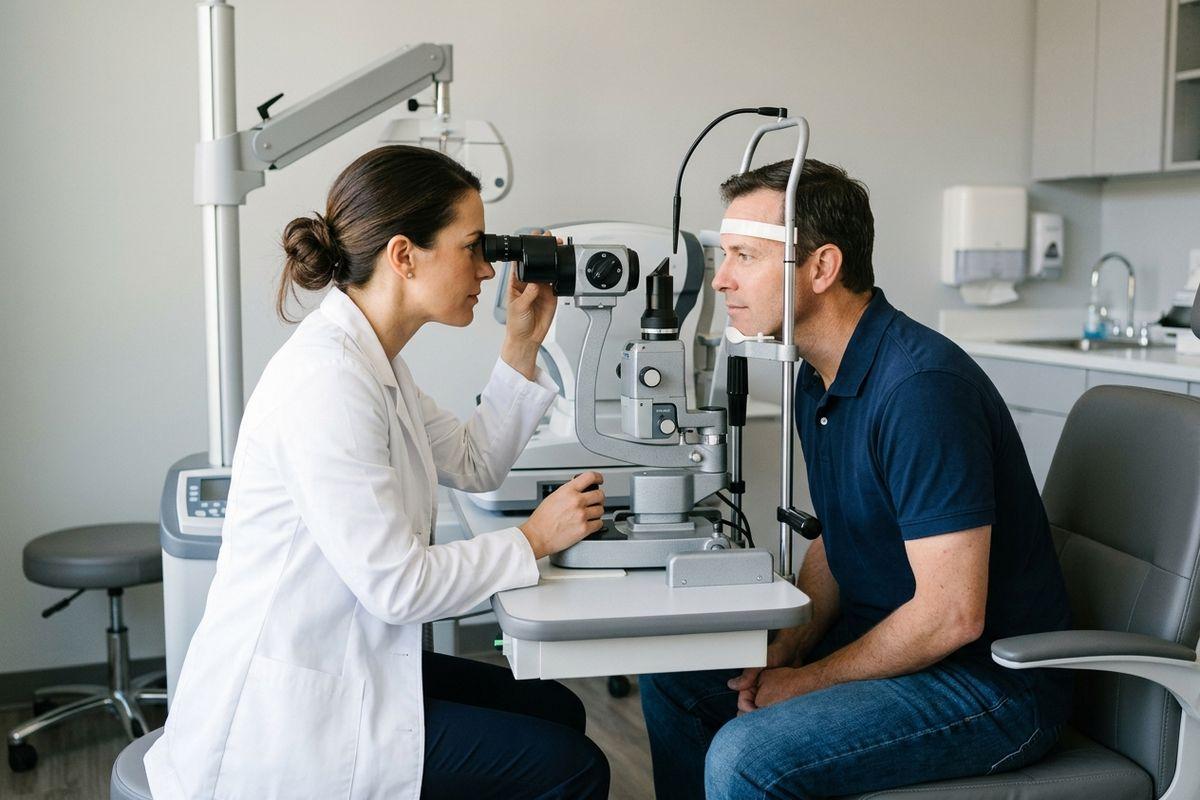
During a comprehensive eye exam, your optometrist dilates your pupils to get a clear view of your retina and optic nerve. They’ll also check the pressure inside your eye and may test your side vision to look for early signs of glaucoma.
These tests can show signs of disease before you notice any change in how you see. If your optometrist finds something, our team can help you manage the condition and track it over time.
Plan on an eye exam every year as an adult. If you have diabetes or a family history of glaucoma, your optometrist may want to see you more often.
Don’t Wait for Vision Loss to Get Your Eyes Checked
Vision changes are easy to brush off, especially when they build slowly. Pay attention to how you’re seeing, and reach out quickly when something feels different.
Our optometrists at Total Vision Chino Hills take time to look closely at your eye health and explain what we find in plain terms. Book an eye exam and get answers about the changes you’ve noticed.