Key Takeaways
- Long screen sessions can leave your eyes dry, blurry, and tired.
- Rubbing your eyes moves dirt and bacteria from your hands to your cornea.
- Sunglasses with full UV protection help guard against cataracts.
- Sleeping in contact lenses limits oxygen and raises infection risk.
- Yearly exams can catch glaucoma and macular changes before symptoms appear.
Small Habits Can Add Up Over Time
Five common habits that are bad for your eye health include too much screen time, rubbing your eyes, skipping sunglasses, sleeping in contacts, and missing eye exams. However, while doing these things can have a negative effect on your eye health, they’re all easy habits to change. As always, our team at Total Vision Chino Hills is here to offer any support you need.
1. Too Much Screen Time Strains Your Eyes
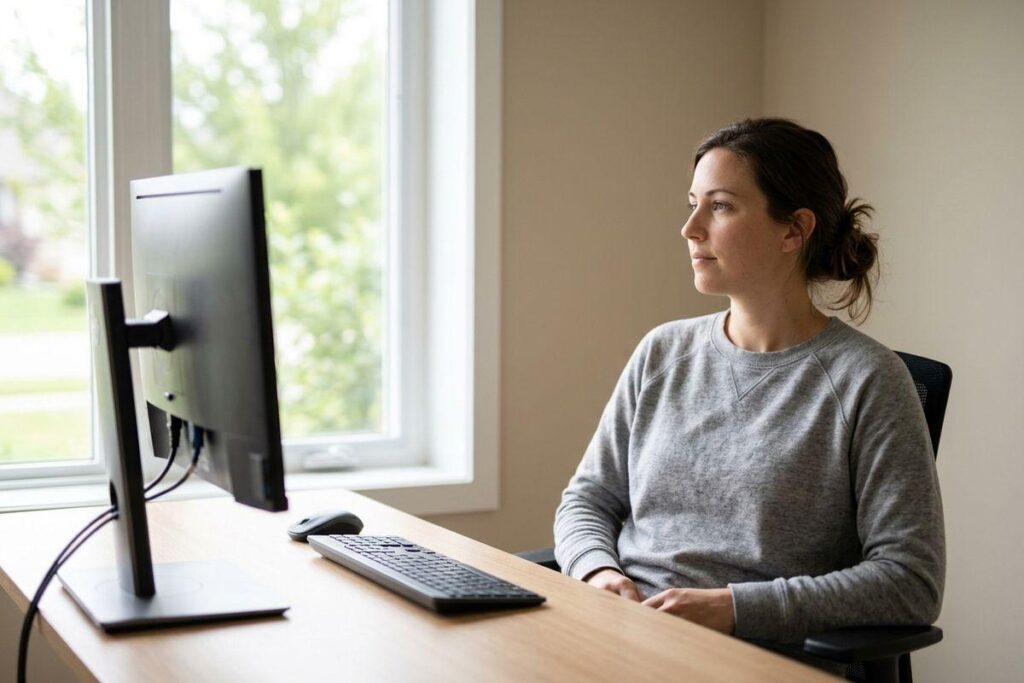
You’ve probably felt it after a long workday. Your eyes sting, words on the screen start to blur, and a dull headache creeps in behind your forehead. Staring at a screen for hours makes your eyes work overtime, and that constant focus tires the muscles that keep your vision sharp. Long stretches without a break can also dry out your eyes because you blink less when you’re focusing.
How to Ease the Strain
The 20-20-20 rule gives your eyes a quick reset. Every 20 minutes, look at something 20 feet away for 20 seconds. Blink often to keep your eyes moist, and lower your screen brightness so that it matches the light levels in the room around you. Short breaks throughout the day help your eyes recover before discomfort sets in.
2. Rubbing Your Eyes Does More Harm Than Good
When your eyes feel tired or itchy, rubbing them might seem like the path to relief. The problem is that your hands carry dirt and bacteria, and rubbing moves these contaminants onto your eyes. Press too hard and you can even scratch your cornea, the clear front layer of your eye.
Gentler Ways to Find Relief
Reach for lubricating eye drops instead. They wash away the itch and soothe dryness without any risk to your cornea. A cool compress laid over closed eyes can calm irritation too.
3. Skipping Sunglasses Leaves Eyes Exposed
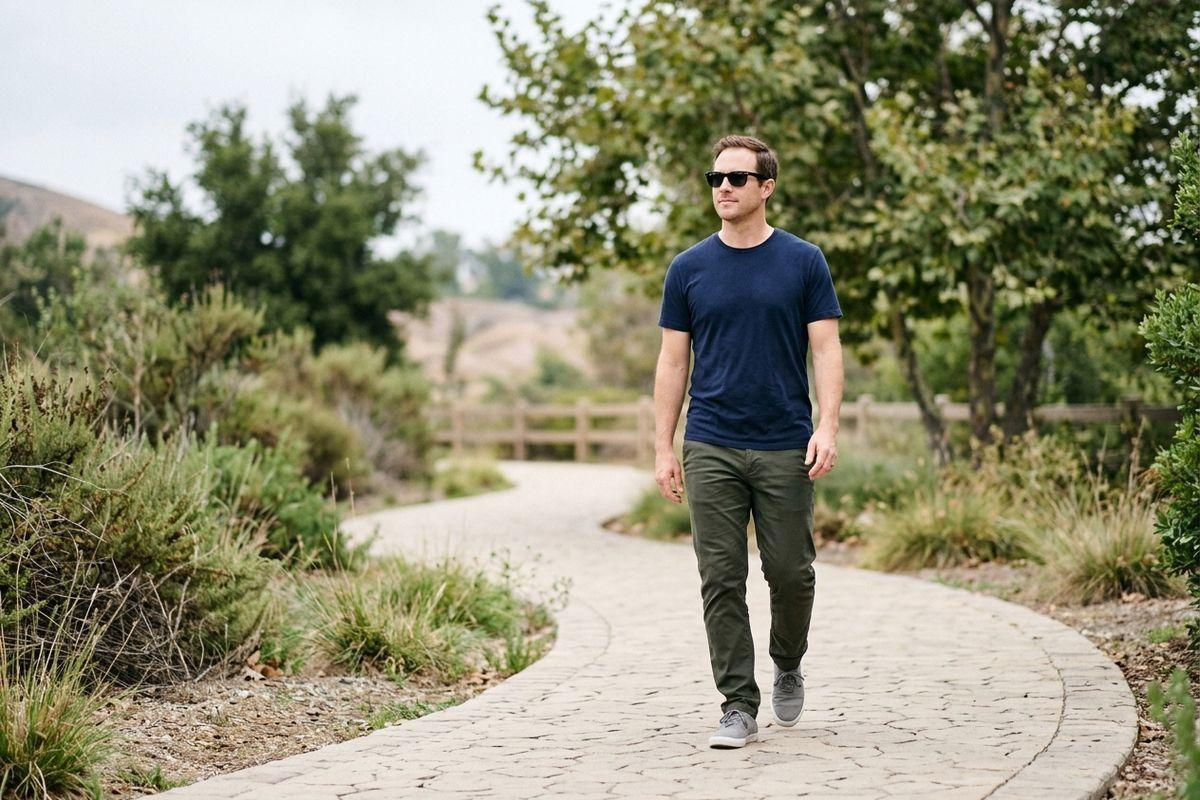
You grab sunglasses on a bright summer day, but you skip them when the sky turns gray. However, clouds don’t block UV rays, so your eyes can still be exposed even when the sun feels far away. Over the years, that steady UV exposure raises your risk of complications like cataracts, a clouding of the lens that blurs your vision.
What to Look for in Sunglasses
Choose a pair of sunglasses that blocks 100% of UVA and UVB rays. Make sure to check the label before you buy, since darker lenses without UV protection can do more harm than lighter ones with it. Wear your sunglasses any time you’re outdoors, cloudy days included.
4. Sleeping in Contact Lenses Puts Eyes at Risk
You come home late, and taking out your contacts feels like too much effort. However, your cornea needs oxygen from the air, and a lens sitting on your eye overnight limits that flow. Add in the moisture and warmth of closed eyes, and you create a setting where bacteria can grow, putting you at risk of infection or other issues.
Simple Contact Lens Care Tips
- Take your lenses out before bed and even short naps.
- Wash your hands and use fresh solution every time you handle them.
- Follow the wear schedule your eye doctor sets for you.
5. Why Regular Eye Exams Protect Your Vision
Some eye conditions creep up silently. For instance, both glaucoma and macular degeneration can quietly develop while your vision seems fine. By the time you notice a problem, the damage may already be done. A comprehensive exam lets your eye doctor spot these changes early, when there’s more time to manage them.
What Foods Support Healthy Eyes
What’s on your plate matters for your eyes. Leafy greens, carrots, and colorful vegetables give your eyes the nutrients they use to stay healthy, while fish rich in omega-3 (like salmon) supports the moisture levels. Water helps with hydration too, so keep a glass nearby through the day.
When to Visit the Eye Doctor in Chino Hills
Book a comprehensive exam once a year to keep track of your vision over time. However, if your vision changes and you experience issues like sudden blur, floaters, or ongoing dryness, don’t wait for your yearly visit. Call your eye doctor in Chino Hills sooner and let us take a look.
Your daily habits shape your eye health more than you might guess, and small changes today can help protect your sight for years to come. Our team at Total Vision Chino Hills is here to help you every step of the way. Schedule your comprehensive eye exam today and give your eyes the care they deserve.