

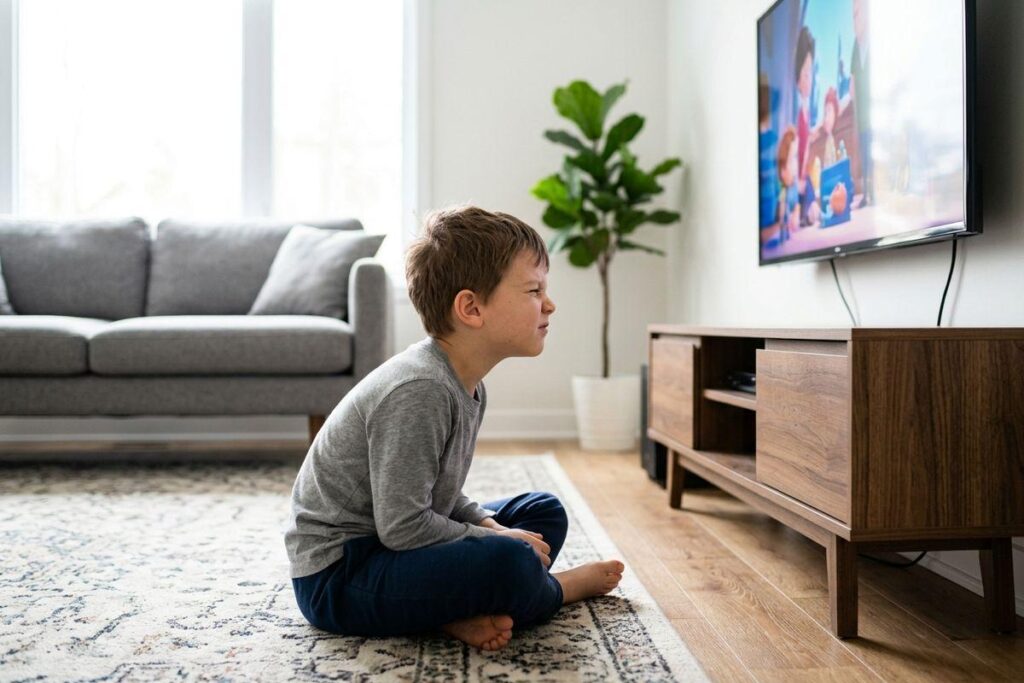
Myopia, or nearsightedness, is a vision issue that shows up often in kids, usually during the early school years. It happens when the eye grows a little too long from front to back, so light focuses just short of the retina instead of landing right on it. The result: things up close stay sharp, while the whiteboard, the bus number, or a friend across the yard turns into a blur.
Most kids start showing signs once reading, screens, and classroom work pile up. That timing isn’t a coincidence. Hours of close-up focus each day play a role in how myopia develops.
Myopia can’t reverse itself, but it can be managed, and early action gives you and your child’s optometrist the most ways to help slow it down. A regular checkup with a local optometry team matters more than most people realize.
What Contributes to Nearsightedness in Kids
Genetics play a big role in kids developing myopia. If 1 parent is nearsighted, your child’s risk goes up. When both parents wear glasses for distance, that risk climbs even higher. Family eye history matters more than most people expect.
Daily habits count too. Hours of close-up screen time can add to the risk, and too little time outdoors affects how the eyes grow. Sunlight and long-distance viewing seem to support healthy eye development. Send your kid outside for a bit. An afternoon at the park does more than burn off energy.
Early Signs to Watch for at Home
You’ll often notice the first clues before any eye chart does. Watch for these patterns:
- Frequent squinting or eye rubbing
- Sitting close to the TV, tablet, or a book
- Headaches
- A sudden drop in schoolwork
One of these alone may not mean much. A pattern, though, is worth a closer look from an optometrist.
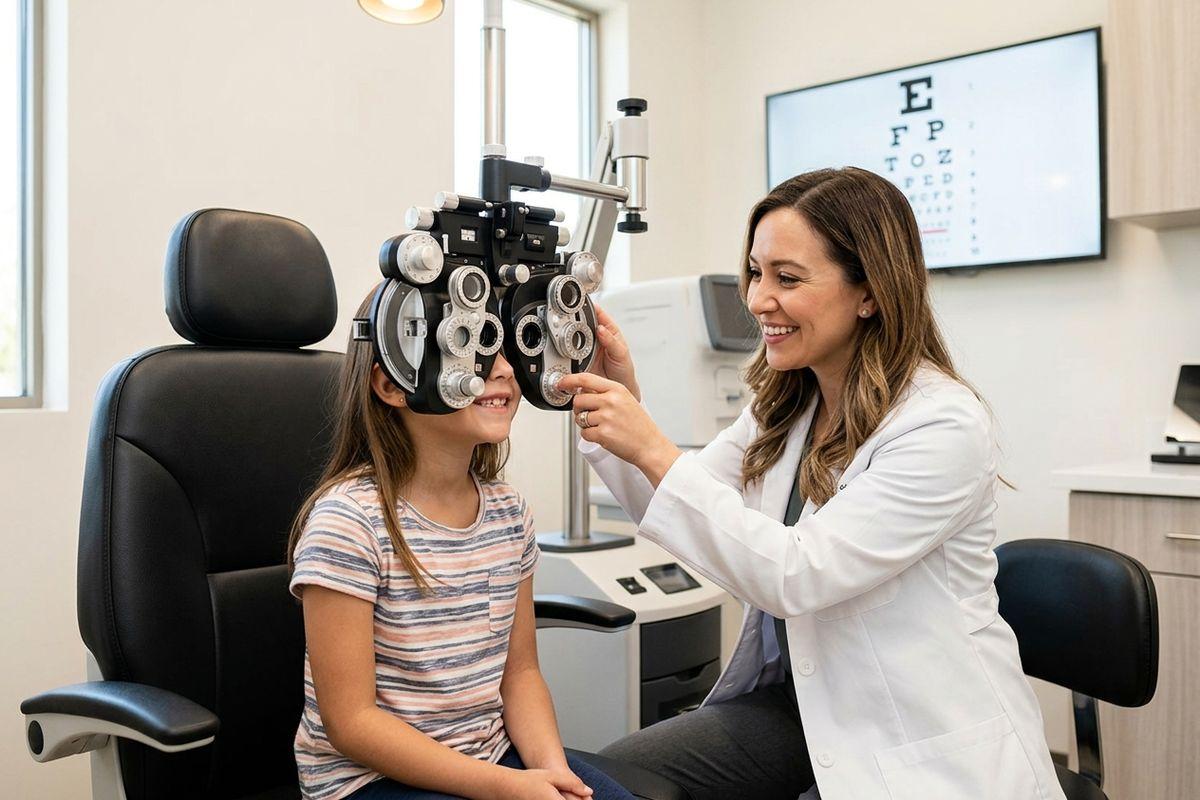
Why Myopia Control Matters for the Future
Myopia rarely stays the same once it starts. A prescription that changes every few months often means thicker lenses year after year, and higher levels of nearsightedness carry a greater chance of eye problems later in life.
Myopia control aims to slow that progression. Instead of watching the numbers climb at every visit, you can help hold them steadier over time. Start the conversation early. The sooner your child begins, the more an optometrist can do to support healthy eye growth through the school years and beyond.
Treatment Options to Slow Myopia
Several approaches can help slow myopia’s progress, and an optometrist will match the right one to your child’s age, prescription, and daily routine.
Specialty Lenses
Several lenses go beyond simple correction and work to slow how fast myopia grows:
- Myopia control glasses, such as Stellest, sharpen central vision while gently reshaping how peripheral light focuses
- Soft multifocal daily contact lenses, a fresh pair each morning
- Overnight ortho-k lenses that reshape the surface of the eye while your child sleeps, freeing up their day for sports
Eye Drops and Daily Habits
Low-dose atropine drops at bedtime may help slow progression, and a few daily habits back that up:
- Outdoor time, aim for 2 hours when you can
- Screen breaks that let the eyes relax and refocus
- Good lighting and a comfortable reading distance during homework
Pair the drops with these habits, and your child can get the support they need between visits.
Give Your Child’s Eyes a Head Start
Childhood myopia is easier to manage when you spot it early and stay ahead of it. Book an appointment with Total Vision Chino Hills, and let the team check your child’s vision, walk through your options, and build a plan that fits your family.
Schedule an eye exam today and give your child clearer days ahead.